
Physical-i offers content creation services that incorporate generative AI as part of a broader visual production workflow.
Rather than replacing traditional shooting or CG, AI is used as an additional method that expands creative possibilities and increases production efficiency.
By combining AI generation with modeling, compositing, and editing techniques, we produce images and videos based on the materials and objectives of each project.
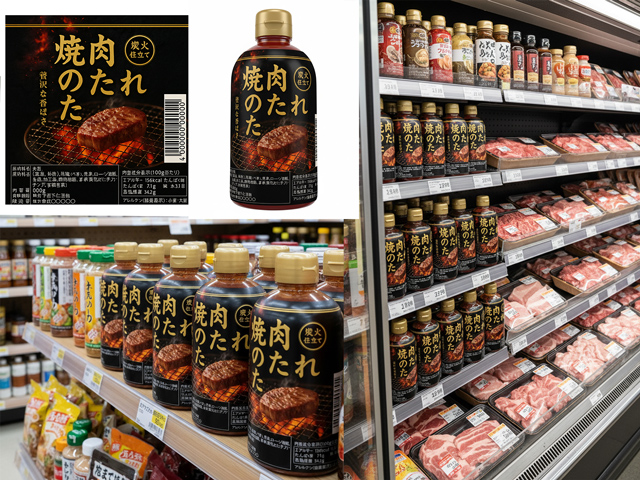
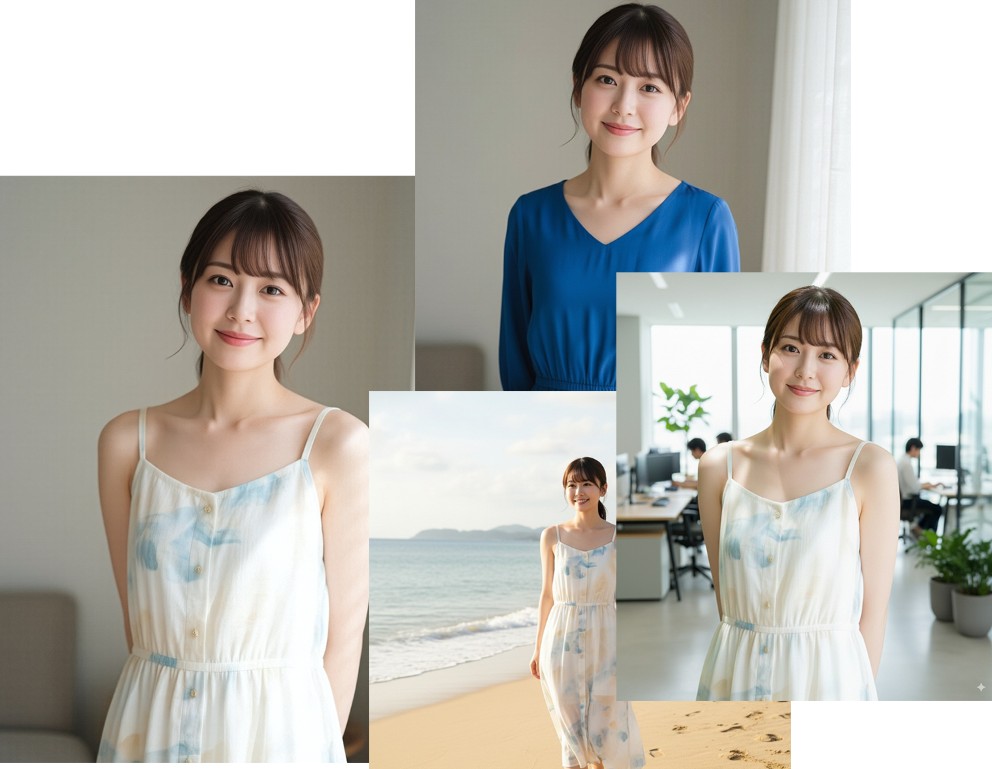
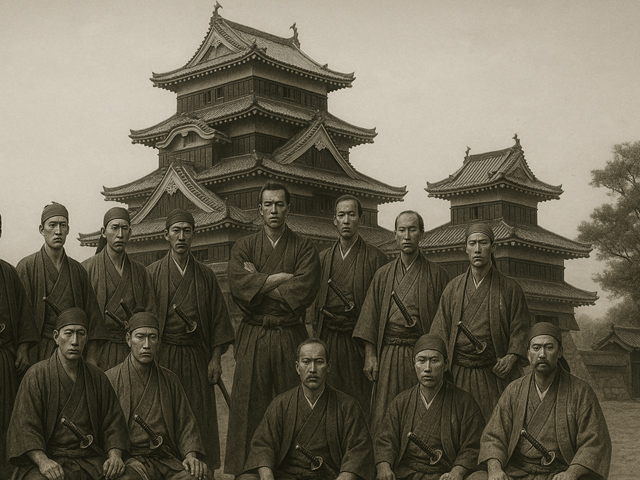
What AI Can Create
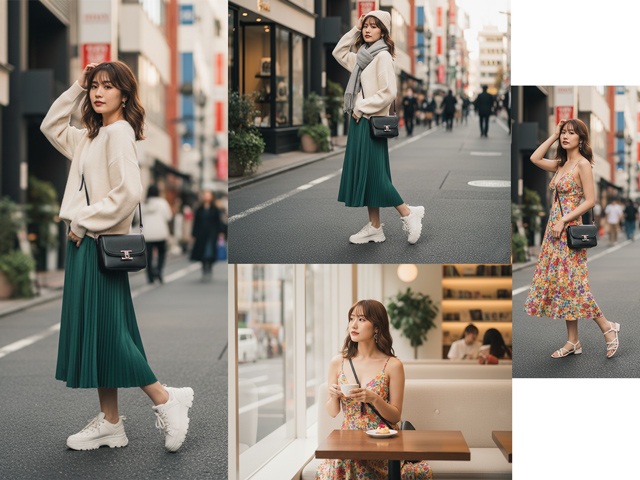
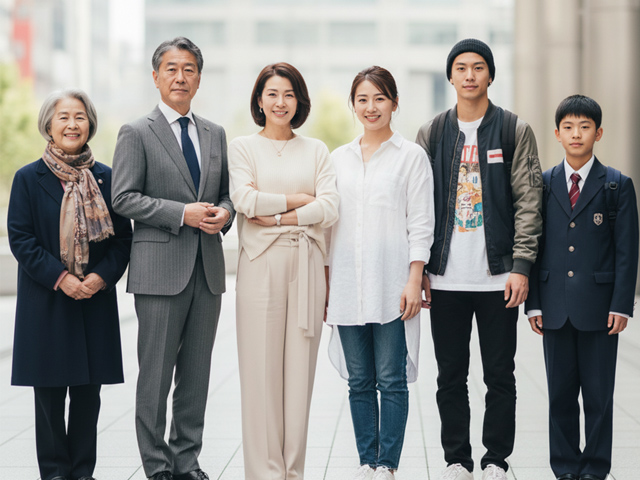
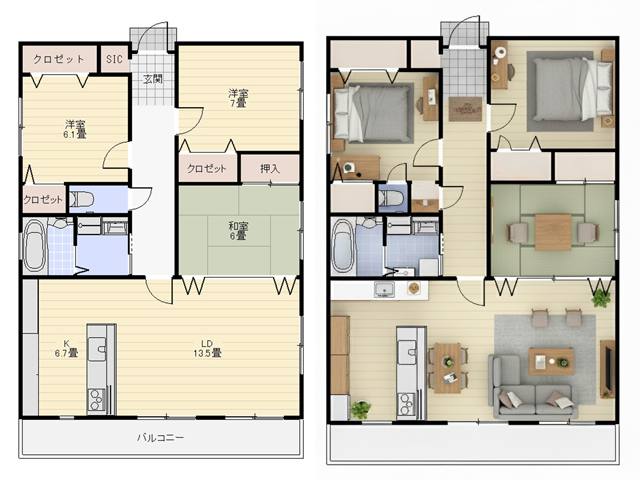
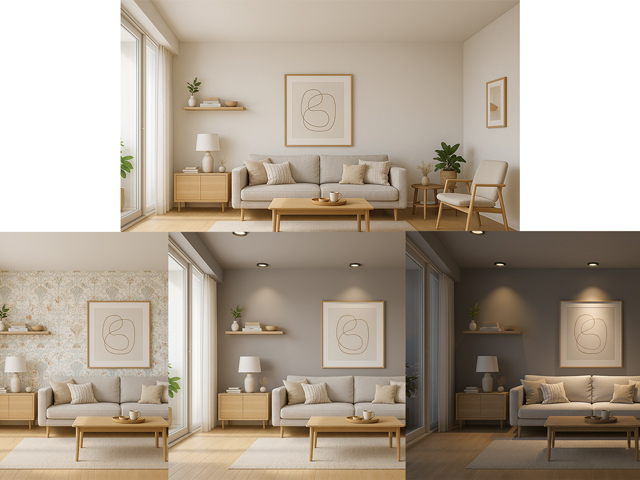
Here are examples of the types of visuals that can be produced using generative AI.
Each item corresponds directly to the content described on our Japanese page.

Service Overview
Physical-i provides content creation services that utilize generative AI as a new production option.
Our support covers still-image generation, video generation, the creation of custom AI models for visual production, and guidance on how to use these tools effectively.
By applying the latest AI technologies, we can achieve greater speed, variation, and flexibility—opening new possibilities for video and CG production that were difficult to realize through traditional methods.
When creating visuals with generative AI, we can assist with the preparation or selection of models required in the process, as well as the production of still images and videos based on those models.
We also provide support and training for clients who wish to handle AI generation on their own.
What It Means for Video Creators to Use AI
As long as the environment is in place, almost anyone can use generative AI for content creation today.
In this context, what does it mean for professional video creators themselves to use generative AI in their work?
Understanding Rights and Legal Issues
At present, works generated by AI can involve risks related to copyright, portrait rights, and other legal aspects, and there are still areas that are not fully defined.
In conventional video production as well, issues such as copyright, usage rights, and licensing have always been part of the process.
Because we have long been conscious of these rights in our production activities, we are able to correctly understand the rights-related aspects of AI-generated content as well.
This allows us to choose expressions and methods that are safe to use.
Being able to deliver outputs that clients can use with confidence is a fundamental requirement when we work with AI.
Prompts Based on Fundamental Principles
The prompts (text instructions) given to AI are most effective when they are designed in line with the fundamental principles of visual production—such as composition, lighting, motion, and editing.
This leads to higher-quality results and images or videos that feel natural to the viewer.
Without this understanding, it is easy for outputs to conflict with the underlying training or visual logic, which can result in strange or inconsistent images.
Of course, intentionally creating unusual or surreal images is one of the interesting strengths of generative AI.
However, there is a clear difference—psychologically and visually—between “intended strangeness” and “unintended strangeness” that simply feels wrong.
Video creators can give AI precise instructions toward the kind of image or video they are aiming for, drawing on their accumulated knowledge and experience.
A View of the Whole Production Process
AI generation is only one convenient step within the entire production process.
To create effective video works, it is essential to structure the overall composition, define the purpose, and build the story or design to support that purpose.
When a piece is constructed from multiple cuts, maintaining consistency throughout the whole work becomes very important.
Video creators are always conscious of this in their daily production.
In the case of content generated with AI, this “creator’s eye” is especially important for ensuring consistency across the entire piece.
Contact
For inquiries about AI-based content creation or workflow support: